Integrations of Carrier Billing Mechanisms With Instant Settlements for Live Table Games at Multi-Licensed Platforms
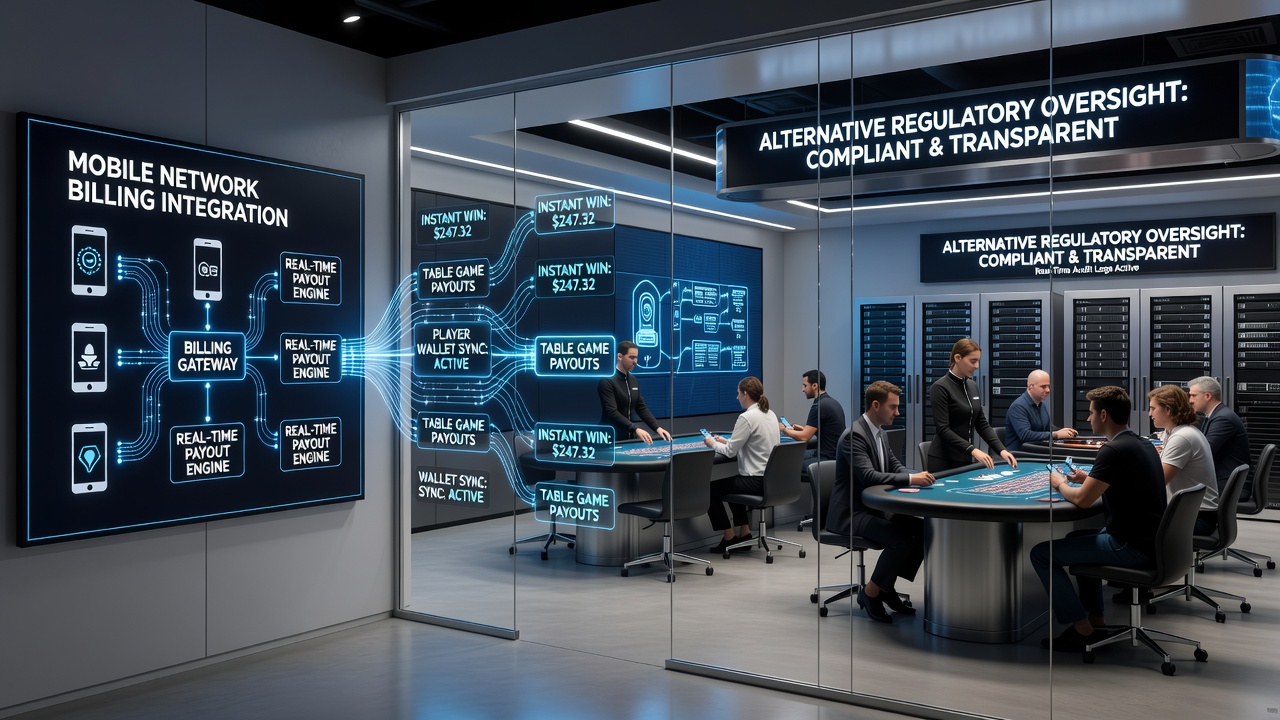
Platforms operating under alternative regulatory frameworks often combine mobile network billing with real-time payout systems to support live table game activities such as blackjack and roulette. These setups rely on direct carrier charges that process deposits without traditional banking intermediaries while automated verification protocols release winnings in minutes. Data from industry reports indicate that such combinations appear in jurisdictions including those overseen by the Malta Gaming Authority and the Nevada Gaming Control Board.
Mechanics of Mobile Network Billing in Gaming Environments
Telecommunications providers facilitate deposits by adding charges to monthly statements or prepaid balances and this approach bypasses credit card networks entirely. Operators integrate APIs from carriers like those in European and Asian markets to confirm transactions within seconds and the process reduces latency compared to standard payment gateways. Studies conducted by research institutions show transaction success rates exceeding 95 percent in controlled environments where mobile billing pairs with secure tokenization methods.
Real-Time Payout Protocols for Table Games
Live dealer platforms employ automated reconciliation engines that match bet outcomes with player accounts immediately after each round concludes and this enables disbursements through the same carrier channel used for deposits. Systems update balances in under 60 seconds when regulatory conditions permit rapid fund movements and observers note that cryptographic verification layers maintain audit trails required by alternative licensing bodies. Figures from gaming technology providers reveal that these protocols handle thousands of concurrent sessions without delays during peak hours.
Regulatory Contexts Enabling the Integration
Alternative oversight regimes such as those administered by the Curacao eGaming authority and certain Canadian provincial frameworks permit operators greater flexibility in payment technology adoption while still mandating player protection standards. These licenses emphasize outcome transparency and financial reporting rather than prescriptive payment restrictions and platforms leverage this latitude to deploy carrier billing alongside instant settlement tools. A report issued by the Australian Gambling Research Centre highlights how varied licensing structures influence the speed of fund transfers across international operators.
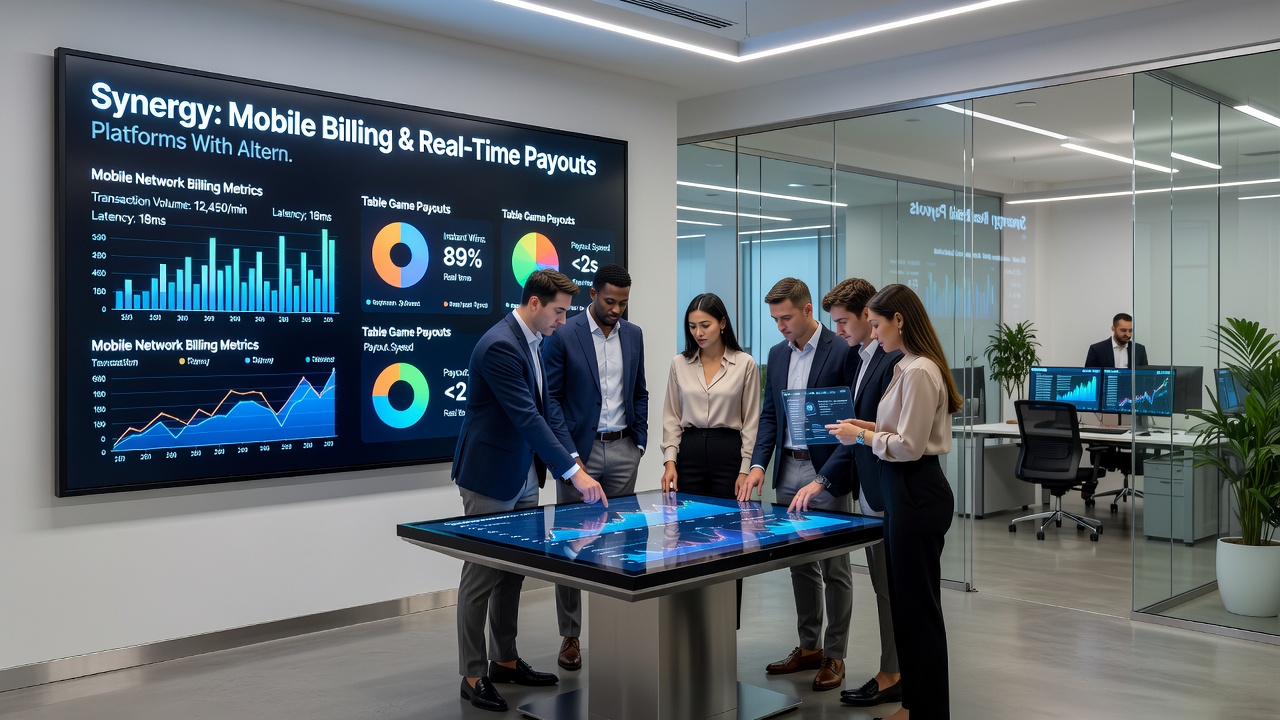
Operators in these environments coordinate with carriers to embed compliance checks that align with license conditions and this coordination ensures that payout triggers activate only after game results receive independent confirmation. Researchers at academic centers studying digital payments have documented cases where such synergies lowered average processing times from hours to under five minutes across multiple table game variants.
Technical Synergies and Operational Flows
The connection between billing and payout functions rests on shared ledgers that update in real time and when a player places a wager via carrier charge the system reserves the amount while simultaneously preparing an outbound transfer pathway. Upon game completion algorithms reconcile results and initiate release if thresholds set by the overseeing regulator are met. What's interesting is how these flows incorporate multi-factor authentication from the carrier side which adds security without extending settlement windows. Data collected through platform analytics indicate reduced chargeback incidents when mobile billing handles both sides of the transaction cycle.
Developments Anticipated Around November 2026
Regulatory reviews scheduled for November 2026 in several alternative licensing jurisdictions may introduce updated guidelines on digital payment interoperability and these changes could further streamline carrier integrations with payout engines. Industry associations tracking technology adoption expect operators to expand real-time capabilities for table games as reporting requirements evolve. Evidence from pilot programs already underway suggests compatibility improvements between legacy carrier systems and newer blockchain-assisted verification methods.
Conclusion
Combinations of mobile network billing and instant table game payouts continue to develop within platforms governed by diverse regulatory structures and available data point to measurable efficiencies in transaction handling. Continued monitoring by oversight bodies alongside technological refinements will shape how these elements interact in coming periods.