
Rank Group Operators Settle with UK Gambling Commission Over AML and Social Responsibility Shortfalls
The three Rank Group PLC subsidiaries that operate 51 casinos across Great Britain reached a £5,012,261 settlement with the UK Gambling Commission after regulators identified multiple anti-money laundering and social responsibility failures at their venues, and the agreement was formalised following the publication of a detailed public statement on October 7, 2026.
Grosvenor Casinos Limited, Grosvenor Casinos (GC) Limited, and Gaming Group Limited accepted the terms that include a financial penalty directed to the government’s Consolidated Fund, coverage of the Commission’s investigation costs, publication of a facts statement outlining the breaches, and a mandatory independent third-party audit of their policies and controls to be completed within six months of the settlement date.
Details of the Identified Breaches
Investigators found that the operators had not updated their anti-money laundering policies to align with regulatory changes introduced in 2020, and this gap left procedures out of step with current requirements for customer due diligence and ongoing monitoring. High-risk customers received inconsistent treatment across different sites, while staff sometimes failed to apply enhanced checks even when transaction patterns indicated elevated risk levels.
Staff also fell short on safer gambling interventions in several documented cases where customers recorded large losses or significant wins without triggering appropriate assessments or support measures, and these lapses occurred at multiple venues operated by the three companies.
Settlement Terms and Compliance Requirements
The financial penalty forms the largest component of the £5,012,261 total, yet the package also requires the operators to publish a comprehensive facts statement that details the specific shortcomings uncovered during the investigation. Payment of the regulator’s costs ensures the public purse does not bear the expense of the inquiry, and the independent audit obligation provides an external review of whether revised policies and controls now meet the standards set by the Gambling Act 2005.
Those who have followed similar enforcement actions note that the audit timeline of six months gives the operators a clear window to demonstrate improvements before further regulatory steps are considered, and the Commission retains authority to impose additional measures if the audit reveals ongoing deficiencies.
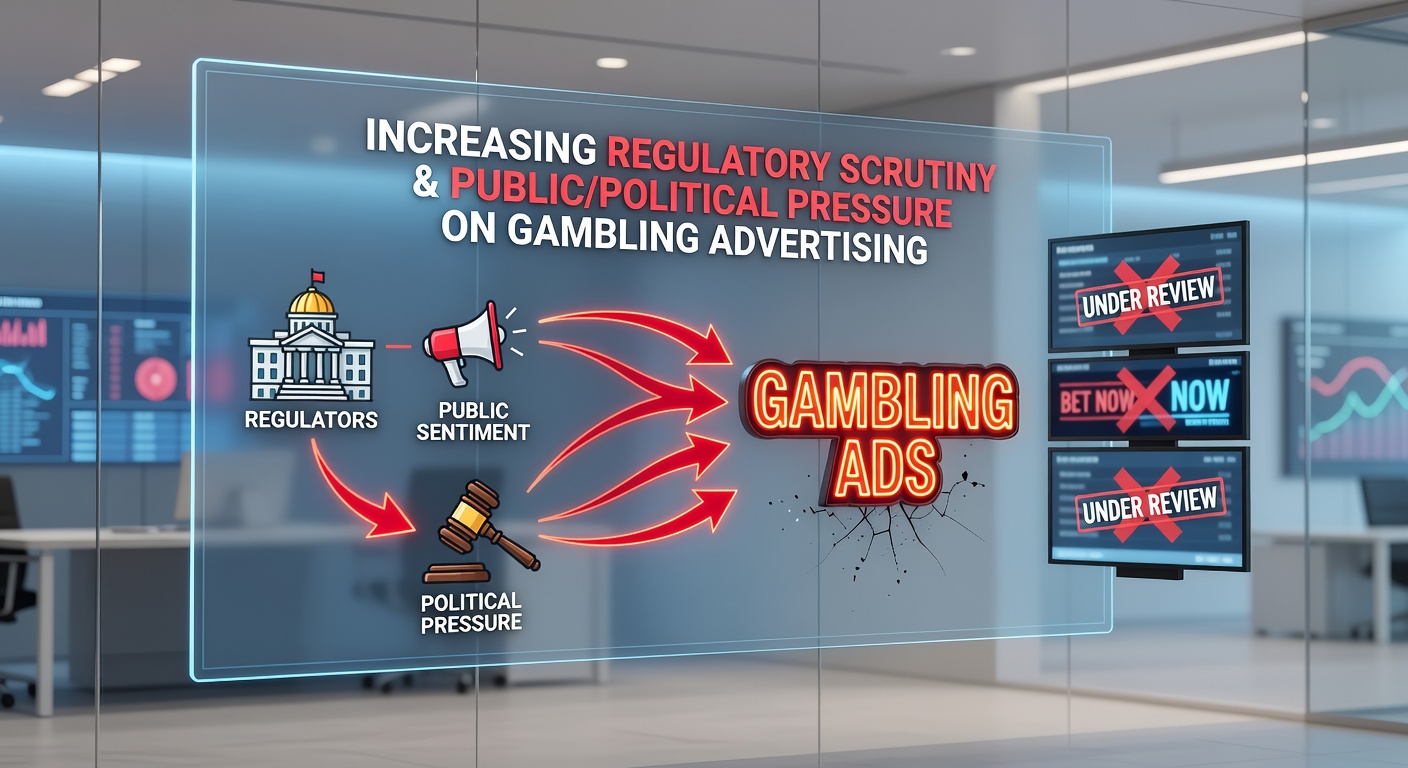
Data from the Commission’s records shows that land-based casino operators must maintain robust systems to detect and prevent money laundering while also delivering timely interventions when gambling-related harm indicators appear, and the Rank Group case illustrates how gaps in policy updates and inconsistent application can trigger substantial enforcement responses.
Regulatory Context and Operator Response
The UK Gambling Commission conducts routine and targeted compliance assessments at licensed premises, and the investigation into these three operators began after routine inspections flagged potential issues with customer risk assessments and record-keeping. The companies cooperated fully once the formal review commenced, and they accepted the settlement without contesting the findings outlined in the facts statement.
Observers note that the requirement for an independent audit introduces an additional layer of accountability that goes beyond the immediate financial penalty, and this approach aligns with the Commission’s stated preference for securing lasting operational improvements rather than relying solely on one-off sanctions.
Broader Implications for Land-Based Casinos
Other casino operators running venues in Great Britain now have a clear example of the standards expected when handling high-value customers and maintaining up-to-date anti-money laundering frameworks, and the settlement amount reflects both the scale of the breaches and the number of sites involved across the three companies. The Commission’s emphasis on social responsibility measures underscores that large wins or losses must prompt documented checks regardless of whether the customer is already known to staff.
Figures released alongside the settlement indicate that the operators have already begun implementing revised training programmes and updated risk-assessment tools at all 51 locations, and the forthcoming audit will verify whether these changes produce consistent results across Grosvenor Casinos Limited, Grosvenor Casinos (GC) Limited, and Gaming Group Limited.
Conclusion
The settlement reached by the three Rank Group operators marks another step in the UK Gambling Commission’s ongoing efforts to enforce compliance across the land-based sector, and the combination of financial penalty, public facts statement, cost recovery, and mandatory audit sets a structured path for remediation. The case highlights specific areas where policy maintenance and customer intervention procedures require sustained attention, and the six-month audit window provides a measurable benchmark for assessing whether the necessary improvements have taken hold.